Climate Communication
Translating global climate science into locally relevant Arabic content — consistent, on-brand and framed for a Libyan audience.
Active
Libya’s first dedicated climate communication platform — in Arabic, about Tripoli, and built to last.
The science is global. The address is local.
Weekly: what is happening to Libya’s climate. Unsubscribe anytime.
of Libya is desert or semi-arid land — among the most water-stressed terrains on Earth.
of calories are imported — climate disruption threatens every link of the food supply chain.
dedicated local climate civil-society organizations existed in Libya — before Tasami.
Translating global climate science into locally relevant Arabic content — consistent, on-brand and framed for a Libyan audience.
ActiveRebuilding IPCC, WMO and Copernicus findings as Libyan stories — real places, real costs, plain Arabic.
ActiveWorking toward formal registration as a Libyan CSO — to fund workshops, field research and national-scale advocacy.
Phase 2
How the urban heat island along Libya's capital coast is reshaping summer, sleep and electricity bills.
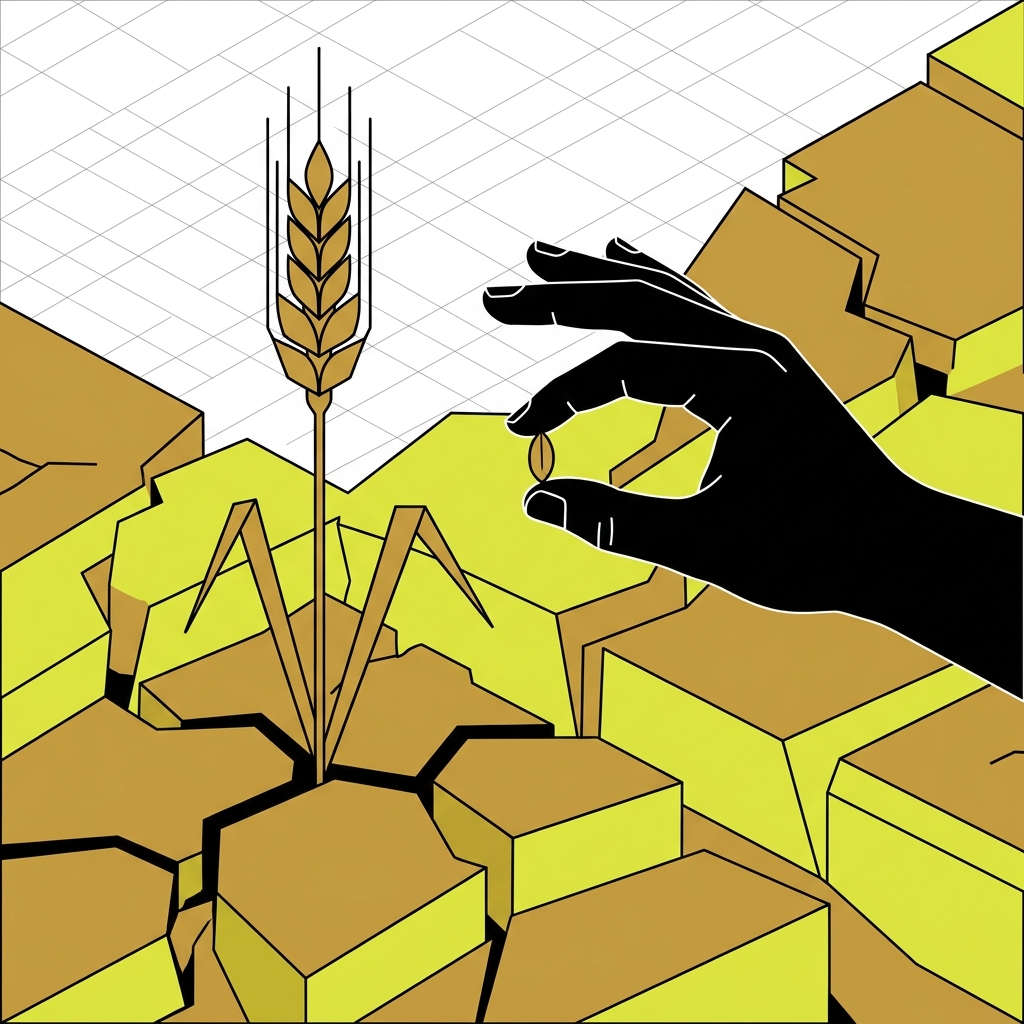
With 75%+ of calories imported, a drought in Ukraine or a heatwave in the Maghreb lands directly on the Libyan table.
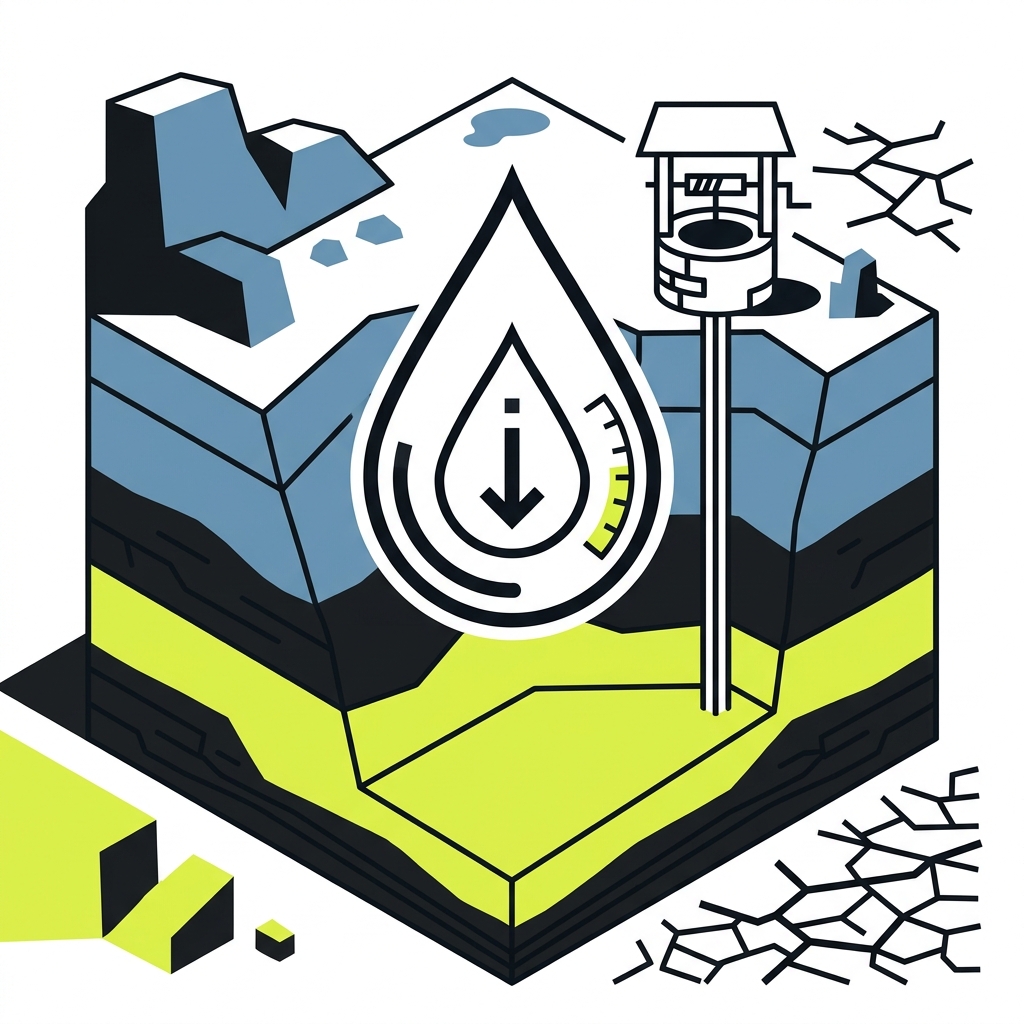
Fossil groundwater built modern Libya. We ask hydrologists in Sebha what happens when the aquifer keeps falling.
IPCC AR7 scoping confirmed — Africa and MENA chapters expected by 2028.
1 Jun 2026Libya records earliest 40°C day in Tripoli since instrumented records began.
28 May 2026UN Water report flags Libya’s aquifer drawdown as “critical” for the first time.
22 May 2026Mediterranean Sea surface temp anomaly reaches +1.8°C — implications for Libya’s coast.
These aren’t distant projections — they’re visible in water prices, load-shedding, harvest yields and public health, right now. Explore the indicators shaping Libya’s climate future.
Select an indicator to see how it has shifted — and how Tasami frames it for a Libyan audience. Hover any point for the value.
Mean annual temperature anomaly relative to the 1961–1990 baseline. Libya is warming faster than the global average — coastal cities are now experiencing nighttime temperatures that rarely drop below 28°C in summer.
Source: ERA5 reanalysis (Copernicus Climate Change Service), processed by Tasami
Get Tasami’s climate translations, data breakdowns and field updates — straight to your inbox.
No spam. Unsubscribe anytime. info@tasami.ly